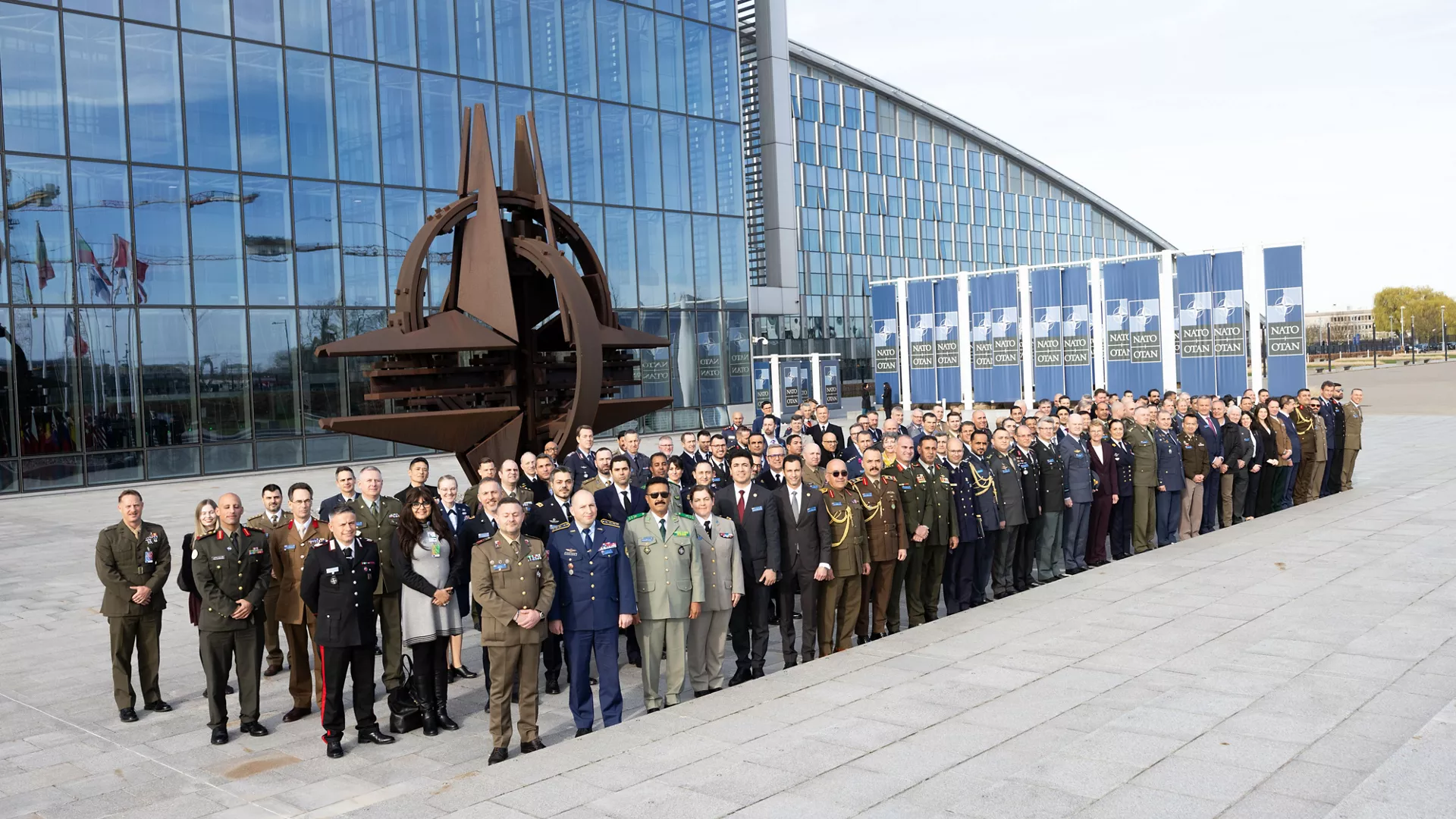

A single strike lands, and the question isn’t just who was hit, but who responds. In NATO’s framework, the answer extends far beyond one nation’s borders.
Article 5 of the North Atlantic Treaty Organization — a military alliance of the United States, Canada, and European countries — states that an attack on one member is considered an attack on all.
At the center of that commitment is a promise: no member stands alone.
Step into the full guide to see how Article 5 works in practice and why a single incident can carry global consequences.
NATO Article 5 at a Glance
| Established | 1949 (North Atlantic Treaty) |
| Core Principle | Collective defense |
| Meaning | An attack on one member is considered an attack on all |
| Response Type | Flexible (military, political, economic, logistical, or diplomatic) |
| Invoked | Once (after 9/11) |
| Purpose | Deterrence and alliance unity |
| Decision Process | Alliance consultation and consensus |
Origins and Purpose
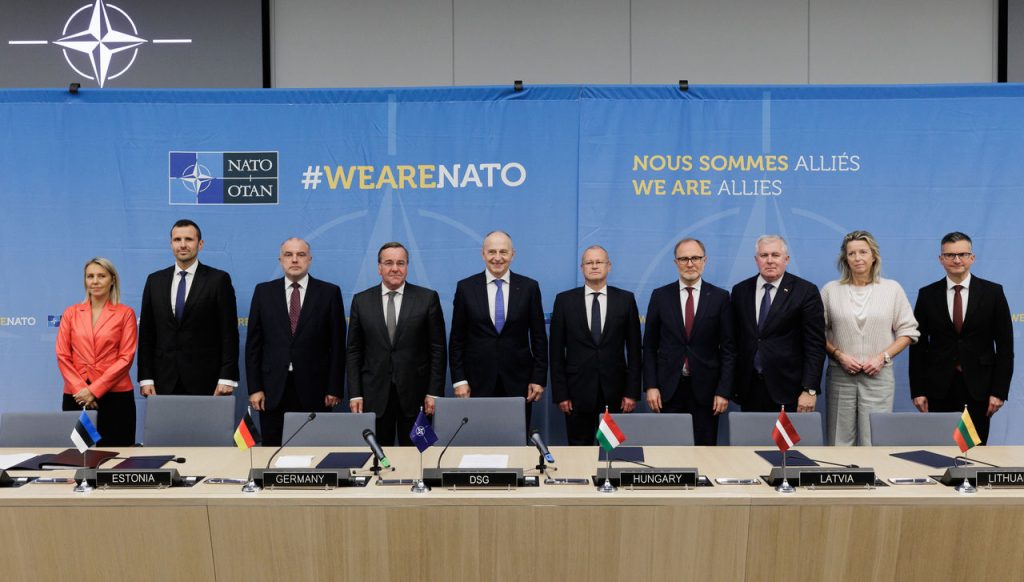
Article 5 came together in 1949, at a time when the memory of World War II was still fresh, and the Cold War was beginning to take shape.
Countries in Europe sought stability, while the United States sought a reliable way to remain engaged in regional security without acting alone.
The result was a shared agreement built into the North Atlantic Treaty: if one member is attacked, the others step in to help.
What makes Article 5 particularly flexible is how it’s written. It doesn’t lock members into a single type of response. Instead, each country decides what support looks like in practice, whether that means military action, logistics, economic measures, or diplomacy, depending on the situation and its own policies.
Importantly, Article 5 does not require all members to respond with military force.
How Article 5 Works in Practice
Article 5 doesn’t get used often, and that’s largely the point. Its presence is meant to discourage attacks in the first place, while giving the North Atlantic Treaty Organization room to rely on diplomacy and de-escalation whenever possible.
In fact, it has only been invoked once: after the September 11, 2001 attacks on the United States.
In the aftermath, NATO members responded in different ways, ranging from military deployments to intelligence sharing and counterterrorism support, to show how the clause works in practice without forcing a one-size-fits-all response.
Before anything like that happens, though, there’s a process. Member states consult, compare assessments, and confirm what actually took place before deciding on a collective course of action.
It’s less about flipping a switch and more about aligning decisions, making sure any response is coordinated, credible, and backed by the alliance as a whole.
Strategic Significance
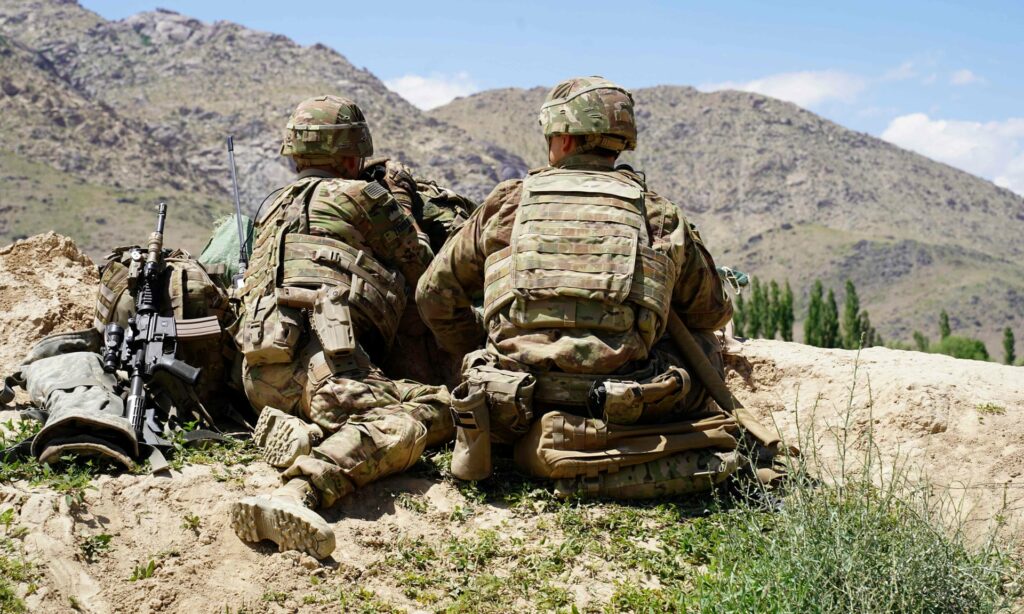
Article 5 serves both as a defensive mechanism and as a strategic deterrent.
By signaling that an attack on one member will provoke a collective response, it discourages potential aggressors from targeting individual states.
It also reassures smaller members that they will not face threats alone, reinforcing the alliance’s unity and political cohesion.
At the same time, Article 5’s flexibility allows NATO to adapt to new threats, including terrorism, cyberattacks, and hybrid warfare, while maintaining the principle of collective defense.
Limitations and Considerations
While Article 5 is a powerful symbol, it is not automatic. Each member retains discretion in determining how to fulfill its obligations, and responses are shaped by political, operational, and logistical realities.
Additionally, evolving security threats, such as cyber operations or non-state actors, require continuous adaptation of collective defense strategies.
Article 5 remains the foundation of NATO’s collective defense, shaping how allies plan, deter, and respond to threats. It has only been invoked once, but its real power lies in the fact that it rarely needs to be.
Because in practice, the strength of Article 5 is not in its use, but in the message it sends: any attack risks drawing in an entire alliance.