

Stealth technology is built on a simple idea: make something powerful harder to see, track, and target.
Through carefully shaped designs, specialized materials, and advanced engineering, military platforms, such as aerial vehicles, are crafted to slip under the radar of radar, infrared, acoustic, and even visual detection systems.
Read the full guide to find out how stealth technology works and why control of visibility has become one of the most decisive edges in modern warfare.
How Stealth Technology Works
Stealth does not make a platform invisible but reduces the distance and conditions under which it can be detected, tracked, or targeted.
At its core, stealth technology relies on two main principles: signal reduction and signal management.
Signal reduction focuses on minimizing the emissions or reflections that sensors might detect. For aircraft, this often means shaping the airframe to deflect radar waves away from the source and using radar-absorbent materials to absorb electromagnetic energy.
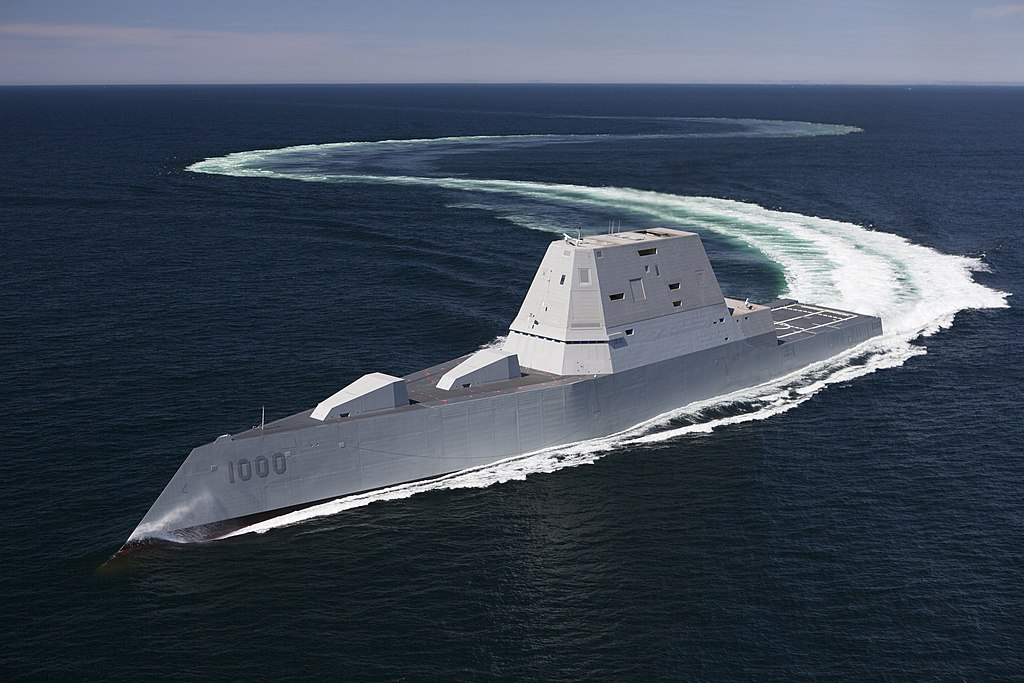
For ships, hull design and coatings reduce radar and acoustic signatures, while ground vehicles may use heat-masking or noise-reduction techniques.
Signal management, on the other hand, involves controlling what signals are emitted. For instance, modern stealth aircraft limit engine heat, reduce electronic emissions, and optimize flight paths to exploit terrain or environmental factors.
Together, these techniques make detection by adversaries significantly more difficult.
Applications of Stealth Technology
Stealth technology is most commonly associated with aircraft, such as the F-35 Lightning II and the B-2 Spirit bomber, which incorporate advanced shaping, coatings, and materials to evade radar and infrared detection.
However, stealth principles extend beyond aircraft to naval vessels, such as submarines and surface ships, which are designed to reduce sonar, radar, and infrared signatures.
Even ground vehicles and missiles increasingly use stealth techniques to avoid detection.
The advantage of stealth platforms lies not only in survivability but also in operational flexibility. Forces can conduct reconnaissance, surveillance, and precision strikes in contested environments while minimizing the risk of early detection and engagement by enemy defenses.
Benefits and Strategic Impact
Stealth technology offers a substantial edge in modern warfare. Reduced detectability allows forces to penetrate heavily defended areas, strike high-value targets, and gather intelligence without alerting adversaries.
It forces opponents to invest in more advanced sensors, layered air defenses, and counter-stealth technologies, creating a strategic imbalance in favor of stealth-equipped forces.
By limiting exposure, stealth platforms reduce the likelihood of engagement, loss, or mission failure. They also provide psychological advantages, as the presence of invisible or hard-to-detect forces can influence enemy planning and decision-making.
Limitations and Considerations
Despite its advantages, stealth technology is not foolproof. Advanced radar systems, infrared tracking, multispectral sensors, and networked detection can still identify stealth platforms.
Stealth designs often require trade-offs, including higher costs, reduced payloads, or increased maintenance requirements. Environmental factors, such as weather or terrain, can also affect effectiveness.
Moreover, stealth alone does not guarantee dominance; it must be integrated with tactics, electronic warfare, and overall operational planning to maximize impact.
Stealth technology represents a critical evolution in modern military design, combining engineering, materials science, and operational strategy to reduce detectability across multiple domains.
While not invincible, it provides a decisive edge by enhancing survivability, operational flexibility, and strategic options for armed forces operating in contested or high-threat environments.